
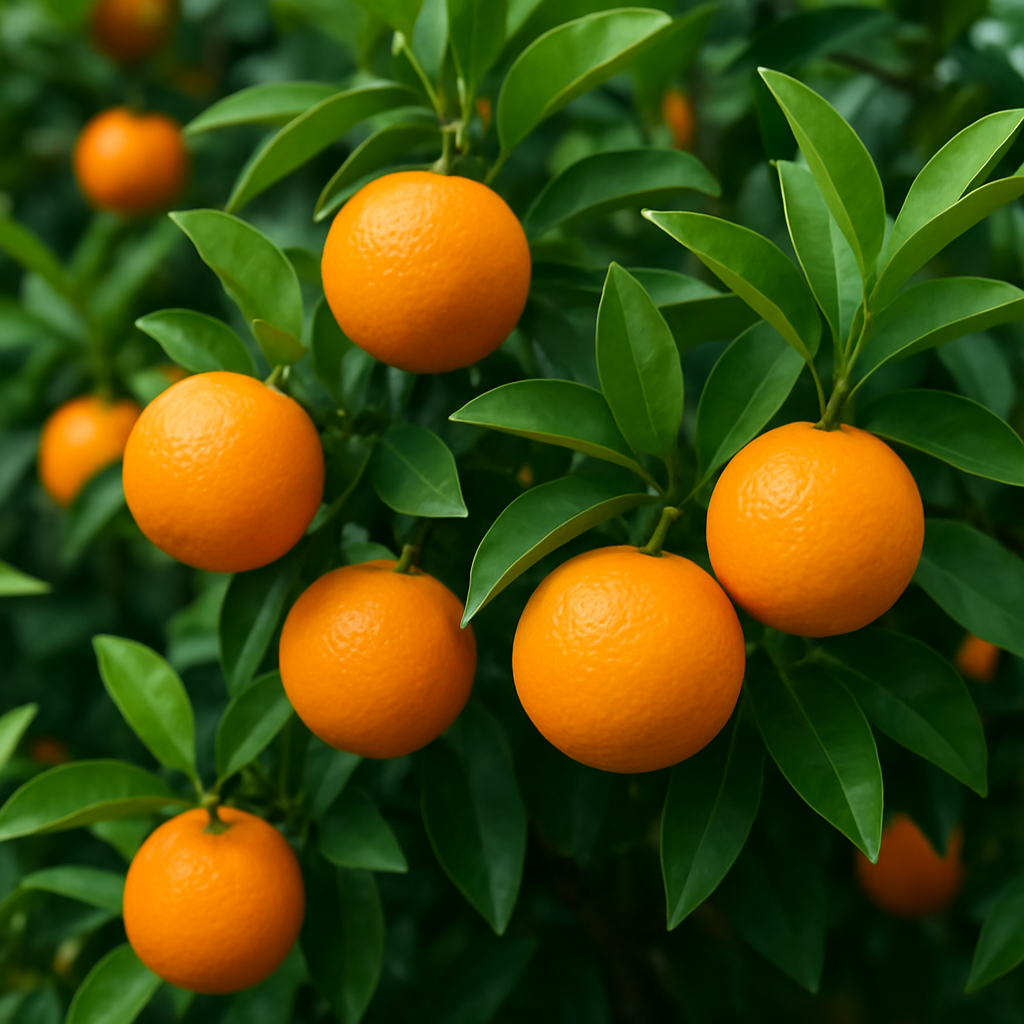
Are you tired of struggling to grow citrus trees in Las Vegas’s arid environment? You’re not alone. Many gardeners find cultivating citrus in desert climates challenging due to extreme temperatures and alkaline soil.
The good news? With the right techniques, you can harvest lush, fragrant oranges, lemons, and limes right from your backyard. This guide covers the best citrus varieties, soil preparation, planting methods, and care tips to help your efforts truly bear fruit.
🍊 What Types of Citrus Fruits and Why Grow Them?
Citrus fruits — including oranges, lemons, and limes — are sunshine captured in a peel. They’re not just delicious; they’re packed with vitamin C, antioxidants, and essential nutrients that boost immunity and skin health.
Beyond their nutritional benefits, citrus trees:
- Add beauty and fragrance to your garden
- Attract pollinators like bees and butterflies
- Offer fresh, homegrown flavor year-round
🌵 Best Citrus Varieties for Las Vegas
When growing citrus in desert regions, choosing heat-tolerant and cold-resilient varieties is key. Here’s a chart to help you select the perfect one for your garden:
🌞 Citrus Varieties by Sun and Heat Tolerance
| Variety | Sun Tolerance | Climate Preference | Flavor Profile | Best Use | Notes |
|---|---|---|---|---|---|
| Valencia Orange | 🔥 Very High | Thrives in full, direct desert sun | Sweet and juicy | Juicing, fresh eating | Excellent summer orange; highly heat-tolerant |
| Bears Lime (Persian/Tahitian) | 🔥 Very High | South or west exposure | Mildly tart | Drinks, cooking | Seedless; large fruit; reliable producer in desert heat |
| Mexican (Key) Lime | 🔥 High | Full sun; tolerates heat well | Sharp, tangy | Key lime pie, cocktails | Compact tree, sensitive to cold |
| Calamansi (Calamondin) | 🔥 High | Needs heat but tolerates mild shade | Sour and aromatic | Filipino cuisine, marinades | Great container tree; fragrant blossoms |
| Star Ruby Grapefruit | 🌤️ Moderate–High | Full to partial sun | Sweet-tart, ruby red flesh | Fresh eating, juicing | Prefers some afternoon shade in extreme heat |
| Mandarins (Satsuma, Clementine) | 🌤️ Moderate | East or south exposure | Sweet, low acid | Snacking, salads | Slightly frost-tolerant; prefers mild sun |
| Finger Limes | 🌤️ Moderate | Morning sun, afternoon shade | Citrusy “caviar” pearls | Garnishes, gourmet use | Prefers filtered light; native to subtropical regions |
| Yuzu | 🌤️ Moderate–Low | Cooler, sheltered east side | Tart, floral | Japanese cooking, sauces | Hardy to cold, prefers cooler exposure |
| Buddha’s Hand | 🌥️ Low | East/north exposure | Fragrant, no juice | Candied peel, aromatics | Sensitive to desert heat; best in partial shade |
🌱 When and How to Plant Citrus Trees
Best Planting Seasons
Plant your citrus trees in fall, or early spring — when the tree has no flowers or fruit. This allows it to focus on root growth instead of fruit production. If you plant when there is fruit or flower, depending on how much of the root zone is distrubed you may have to compensate by removing fruit and flower and maybe trim leaves from the top if any of the roots are torn.
Avoid summer planting; Las Vegas heat can stress young trees before they establish. Winter is doable but it might be in danger of root rot if overwatered.
Planting Guidelines
- Root Flare Check: When planting, make sure at least one root flare (the point where the roots spread from the trunk) is visible above soil level. This ensures the tree receives oxygen at the roots — a critical step for long-term health.
- Soil Type: Use sandy or loamy soil with good drainage. Amend heavy desert soil with organic compost.
- Soil pH: Most citrus varieties prefer slightly acidic soil (pH 6.0–7.0).
- Spacing: Plant trees 10–15 feet apart for optimal air circulation and sunlight.
Caring for Citrus in Desert Conditions
Sunlight and Heat Protection
Citrus trees need 6–8 hours of direct sunlight daily. During extreme heat, protect them using shade cloth or tree wraps to prevent sunburn. Check the chart above for specifics on your variety types.
Watering Schedule
In Las Vegas’s dry climate, deep watering is vital:
- Frequency: Deep watering once a week. Mulch to prevent evaporation. Superficial daily watering as needed during the summer, less in the winter. In the winter you can probably go 2 weeks between waterings.
- Depth: Water deeply to reach the root zone — about 2–3 feet down.
- Moisture Test: The soil should feel moist, not soggy. Use a moisture meter or insert your finger into the soil to check.
Fertilizing Secrets
The best-kept secret to thriving citrus trees? Fish emulsion. If you have a fish pond even better. This natural fertilizer provides essential nutrients and encourages vibrant green leaves and abundant fruit.
Feed your citrus trees every 6 weeks from February to August, or use a slow-release organic citrus fertilizer for convenience.
🍊 Citrus Fertilization Holidays (Las Vegas Climate Guide)
| Holiday | Approx. Date | What’s Happening in the Tree | What to Feed |
|---|---|---|---|
| Valentine’s Day | Mid-February | Trees are waking up from dormancy. New leaves and buds begin forming. | Apply your first feeding of the year using fish emulsion or a balanced citrus fertilizer (e.g. 6-4-6) to jumpstart spring growth. |
| Easter | March–April | Active growth phase — leaves expand, blossoms may appear. | Second feeding: another round of fish emulsion or slow-release organic fertilizer. |
| Memorial Day | Late May | Fruit begins to set. Roots are growing fast in warming soil. | Third feeding: light application of fish emulsion or liquid kelp to support fruit development. Avoid overfeeding nitrogen now to prevent leaf burn in heat. |
| Fourth of July | Early July | Mid-summer stress period; trees may slow growth due to extreme heat. | Optional light foliar feed (seaweed or compost tea). Avoid heavy fertilizer during peak desert heat. |
| Labor Day | Early September | Cooler nights restart growth; trees prepare for fall flush. | Final feeding of the year: a balanced organic fertilizer or fish emulsion to strengthen roots before winter dormancy. |
| Thanksgiving | Late November | Trees go dormant; no more feeding. | Stop fertilizing — focus on mulching and frost protection instead. |
🍋 Harvesting and Pest Management
Time to Harvest
Citrus trees take several months to mature depending on the variety. Check for full color and taste before picking. Once harvested, they won’t continue to ripen. It’s a good strategy to have different varieties ripening at different times
Common Pests
Watch out for:
- Aphids (cause curled leaves)
- Spider mites (tiny webs under leaves)
- Citrus leaf miners (tunneling damage)
Use neem oil or insecticidal soap to control infestations naturally.
🌬️ Weather and Frost Protection
- Use frost cloths or old sheets to protect trees during cold nights.
- Plant near windbreaks (like walls or shrubs) to guard against strong desert winds.
- Mulch around the base to insulate roots and retain moisture.
🌿 Companion Planting for Healthier Citrus
Add these plants around your citrus trees for pest control and pollination benefits:
| Companion Plant | Benefit |
|---|---|
| Nasturtiums | Attract beneficial insects |
| Marigolds | Deter nematodes and soil pests |
| Basil | Improves soil health, attracts pollinators |
✨ Final Thoughts
With proper care, the right variety, and a touch of patience, you can enjoy thriving citrus trees even in Las Vegas’s desert climate.
Remember:
- Plant in cool weather (fall–spring)
- Expose the root flare for oxygen flow
- Feed with fish emulsion for steady growth
Ready to transform your garden with vibrant, juicy citrus? Let’s get planting!
How to grow citrus in a pot: