
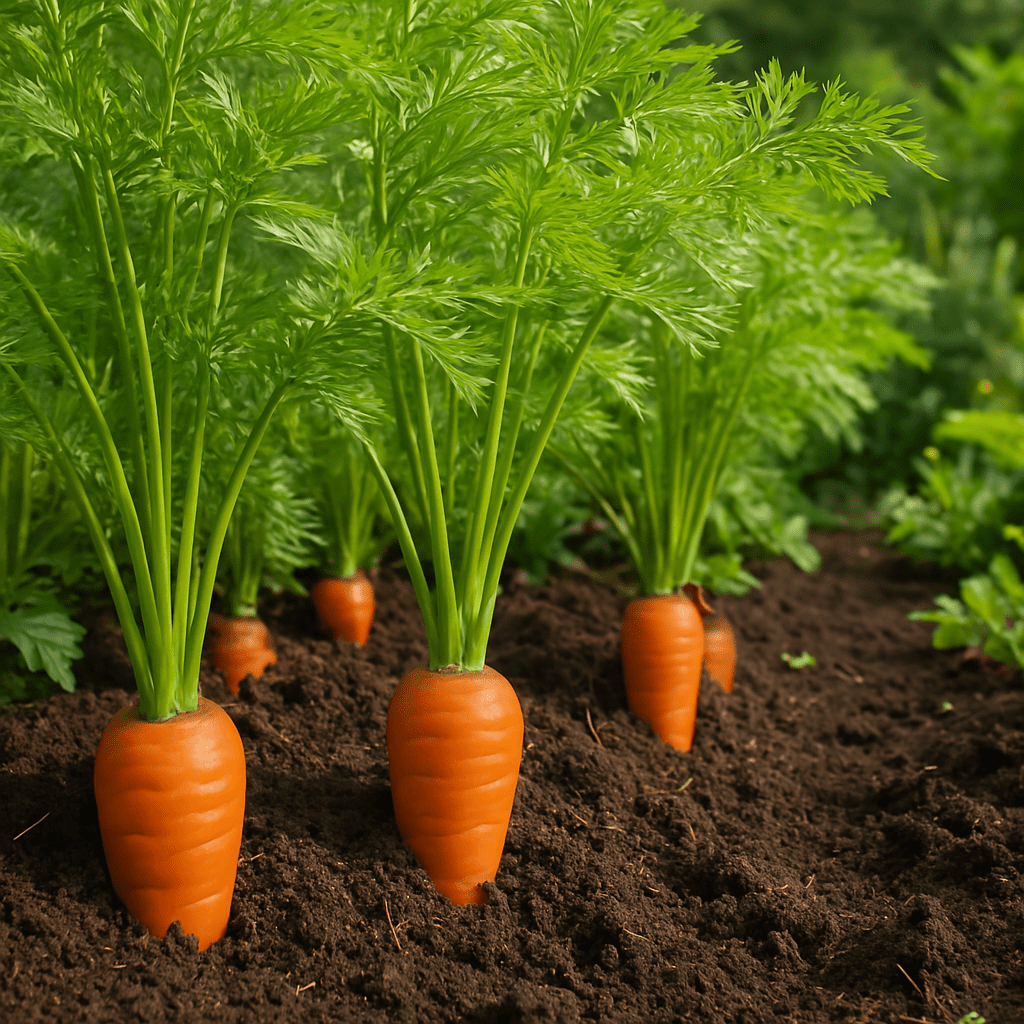
Growing Carrots in Las Vegas: Sweeter Roots, More Color
Growing carrots in Las Vegas is most rewarding when you work with the cooler season. Start planning as summer ends, then sow when you can keep the seedbed cool enough and consistently moist. Your carrots can develop through fall and winter instead of struggling through peak desert heat.
The reward goes beyond a fresh orange carrot. Growing carrots at home lets you experiment with purple, yellow, red, white, and orange varieties—and discover subtle differences in sweetness, earthiness, aroma, and crunch.
Growing Carrots at a Glance
| Growing detail | Practical guideline |
|---|---|
| Best starting season in Las Vegas | The transition from summer to fall, as intense heat eases |
| Other planting opportunity | Late winter to early spring, with harvest before severe summer heat |
| Planting method | Sow directly into the final bed or container |
| Sowing depth | About ¼–½ inch; follow the seed packet |
| Germination | Commonly 1–3 weeks, depending on temperature and moisture |
| Soil | Loose, deep, well-drained soil with stones and hard clods removed |
| Sun | Aim for about 6–8 hours during cool weather |
| Spacing | Usually 2–3 inches between plants; allow more for large varieties |
| Harvest | Often about 60–90 days, depending on variety and season |
Planting references: University of Nevada, Reno Extension and South Dakota State University Extension.
When Is the Best Time to Start Growing Carrots in Las Vegas?
For a cool-season crop in Las Vegas, the end of summer is a useful starting point. Prepare the bed as summer winds down, then choose a sowing date that allows seedlings to establish as conditions become milder.
University of Nevada, Reno Extension lists August–September and February–March as Southern Nevada planting windows. August can still be extremely hot, so treat those months as planning guidance rather than a guarantee that every day is suitable.
If your seedbed is baking in the sun or dries out between waterings, wait for milder conditions or provide temporary shade during establishment. Later sowings can grow more slowly as days shorten.
The goal is to have carrots developing through cooler weather. Spring planting is another option, but avoid leaving the crop to mature through the worst summer heat.
These recommendations are for Southern Nevada. In colder regions, fall sowing must happen early enough for roots to develop before winter slows growth.
How Heat Changes Carrot Flavor
Heat can change how carrots taste, not just how well they grow. Prolonged hot weather can produce a stronger, harsher, or bitter flavor and reduce root quality.
Carrot flavor comes from a combination of sugars and aromatic compounds. The University of Georgia Extension notes that long periods of hot weather can intensify terpene-related flavor and bitterness. Dry soil can add further stress.
A carrot may still have healthy-looking leaves while the root develops disappointing flavor. That is one reason surviving summer is not the same as producing a good eating carrot.
For a better chance of sweet, tender roots:
-
Grow the main crop during cooler months.
-
Maintain steady moisture as roots develop.
-
Mulch established plants lightly to help moderate soil conditions.
-
Harvest at an appropriate size for the variety.
-
Compare several roots before judging an entire variety.
Cool conditions can encourage sweeter roots, but they cannot guarantee sweetness in every carrot. Variety, maturity, watering, and storage also influence the result.
Sources: University of Georgia Extension and Iowa State University Extension.
Why Grow Different-Colored Carrots at Home?
Growing carrots at home gives you choices that are often missing from the grocery-store produce aisle. You can try a rainbow mix for variety or sow named varieties separately to compare them.
I have successfully grown rainbow varieties during the cooler seasons. Carrots tend not to develop well in extreme heat, so getting the season right makes experimenting much more rewarding.
Two varieties of the same color can taste different. Likewise, two different colors can taste surprisingly similar. Color is a fun place to start, but it is not a reliable flavor chart.
| Carrot color | What makes it interesting | How to explore it |
|---|---|---|
| Orange | A familiar reference for sweetness and classic carrot flavor | Grow a Nantes-type carrot as your comparison crop |
| Purple | Some varieties have a contrasting orange or yellow center | Slice crosswise and compare the whole root with your orange variety |
| Yellow | Adds a bright alternative to mixed harvests | Try a named yellow variety such as Yellowstone |
| White | Makes a striking contrast with darker roots | Try White Satin, described by its breeder as crisp, sweet, and juicy |
| Red | Adds another color to the garden and kitchen | Select a variety suited to your season and compare it raw and cooked |
Carrots can have complex flavor notes, including sweetness, fruitiness, and aromatic or earthy qualities. The best way to find your favorite is to grow and taste them. Click here for rainbow carrrot varieties.
For a simple home trial, sow two or three varieties on the same day in similar soil. Label the rows, harvest at comparable maturity, and taste them raw first. Then roast a small batch to see which textures and flavors you prefer.
Color and flavor references: South Dakota State University Extension, USDA Agricultural Research Service, and Bejo’s White Satin description.
Choosing Carrot Varieties for Your Soil
Choose carrots for root shape and soil depth as well as color. Nantes, Imperator, and Chantenay describe carrot types; they are not blanket guarantees of heat tolerance.
-
Nantes types: A useful starting choice for tender eating carrots with relatively cylindrical roots.
-
Chantenay types: Shorter, broader roots that can be more practical where usable soil depth is limited.
-
Imperator types: Longer roots that need a deep, loose growing bed.
-
Short or round varieties: Worth considering for containers or shallower prepared soil.
Even a short-rooted variety needs adequate drainage and room to develop. No carrot type can compensate for severely compacted soil.
Kuroda-type carrots are a good place to start for better heat tolerance.
| Variety | |
|---|---|
| Shin Kuroda: | Mountain Valley Seed Co. — Shin Kuroda seeds |
| Kuroda: | Sow Right Seeds — Kuroda carrot seeds |
| New Kuroda: | Liliana’s Garden — New Kuroda carrot seeds |
The Best Soil for Growing Carrots
Loose, well-drained soil helps carrots develop without hitting stones, hard clods, or compacted layers. Sandy loam is ideal, but carrots can also grow in improved clay soil if it drains and is not compacted.
Prepare the bed to at least the expected root length, with extra room beneath it. Remove rocks and break up clumps before sowing.
Use finished compost to improve structure, and base fertilizer or pH adjustments on a soil test. Carrots generally prefer soil around pH 6–7, but do not add amendments blindly to alkaline desert soil.
A raised bed can be useful when native ground is hard or rocky. Explore our gardening tools when planning your growing space.
How to Plant Carrot Seeds
Direct sow carrots where they will grow. Their taproots begin developing early, and transplanting can disturb root formation.
-
Water the prepared bed before sowing.
-
Sow seeds thinly, about ¼–½ inch deep.
-
Cover with fine soil that will not form a hard crust.
-
Water gently so seeds stay in place.
-
Keep the seed zone consistently moist until seedlings emerge.
-
Thin seedlings to the spacing on the packet—commonly about 2–3 inches apart.
Carrot seeds can take up to three weeks to emerge. Do not let the surface dry out while you are waiting.
Pelleted seeds or seed tape can make spacing easier. With pelleted seeds, follow the supplier’s moisture instructions carefully so the coating can break down.
Sunlight and Watering for Desert Carrots
Aim for a sunny location during the cool season and consistent moisture throughout growth. About 6–8 hours of direct sun is a practical target.
Temporary shade can help protect a late-summer seedbed. As weather cools, make sure established plants receive enough light.
Watering needs change with the stage of growth:
| Stage | What to watch |
|---|---|
| Germinating seeds | Keep the shallow seed zone moist with gentle watering; it may need attention more than once daily in hot, dry conditions |
| Young seedlings | Maintain moisture while roots establish; avoid washing out tiny plants |
| Developing roots | Water deeply enough to reach the root zone and avoid repeated drying followed by soaking |
| Container plants | Check more often because the available soil volume is limited |
A fixed once-a-week schedule is not suitable for every Las Vegas bed. Check beneath the surface and adjust for soil texture, wind, and temperature.
Moisture stress can contribute to bitter, tough roots. Large moisture fluctuations can also lead to cracking.
Growing guidance: University of Minnesota Extension.
Can You Grow Carrots in Containers?
Yes—use a container deep enough for the variety, with drainage holes and a loose potting mix. Shorter-rooted varieties are often easier to manage in pots.
A container around 12–16 inches deep is a practical starting choice for many home-garden carrots. Longer varieties need more usable depth.
Sow directly into the pot and thin as you would in a bed. Keep the container away from surfaces that radiate intense heat, and check moisture regularly.
Fertilizing and Thinning Carrots
Carrots need nutrients, but extra fertilizer does not automatically mean bigger roots. Use a soil test or the instructions for a suitable vegetable fertilizer to guide feeding.
Too much nitrogen can encourage leafy tops at the expense of root growth. Crowding is another common cause of small roots, so thinning matters just as much as feeding.
Remove weeds while they are small. Work gently near seedlings to avoid disturbing developing carrots.
When and How to Harvest Carrots
Harvest when roots reach a useful size for their variety, rather than relying only on the calendar. Many carrots are ready in roughly 60–90 days, though some take longer.
Brush soil away from the shoulder of one carrot to check its diameter, or pull a sample. Avoid repeatedly pushing developing roots sideways to test them.
Moisten hard soil before harvesting, then loosen it carefully beside the row with a garden fork. Lift roots gently to avoid snapping them.
Trim off the greens and refrigerate harvested roots. Keep carrots away from ethylene-producing fruit such as apples and pears, which can cause bitterness during storage.
Harvest and storage reference: Utah State University Extension.
Common Carrot Problems
| Problem | Possible cause | What to check |
|---|---|---|
| Bitter or harsh flavor | Heat stress, dry soil, maturity, or storage conditions | Planting season, moisture consistency, and nearby stored fruit |
| Forked or misshapen roots | Stones, compaction, root disturbance, or damage | Bed preparation and whether roots were transplanted |
| Plenty of leaves but small roots | Crowding, excess nitrogen, or insufficient growing time | Spacing, fertilizer use, and maturity |
| Cracked roots | Uneven moisture or roots left too long | Irrigation consistency and harvest timing |
| Green shoulders | Exposure to sunlight | Gently cover exposed shoulders with soil |
| Poor emergence | Dry seedbed, crusted soil, old seed, or unsuitable temperature | Moisture and soil conditions before resowing |
Identify pests before choosing a treatment. A general spray will not solve every root problem, and a misshapen carrot is not automatically evidence of insects.
Frequently Asked Questions About Growing Carrots
Does hot weather make carrots bitter?
It can. Prolonged heat can change flavor and promote bitterness, while dry soil can worsen quality. Planting for cooler-season development reduces those risks.
Is the end of summer the best time to start carrots?
For a Las Vegas fall crop, it is a useful starting point. Prepare as summer ends and sow when you can manage seedbed temperature and moisture. In colder climates, fall planting must happen earlier.
Do different-colored carrots taste different?
They can, but color alone does not determine taste. Variety and growing conditions influence sweetness, aroma, texture, and bitterness. Grow a few varieties together to compare them.
Can carrots grow in clay soil?
Yes, if it is well drained and not compacted. Prepare the root zone carefully and consider shorter-rooted varieties or a raised bed if soil depth is limited.
Can I regrow a carrot from its top?
A carrot top may produce new foliage, but it will not grow another full-sized storage root. Start from seed for a new carrot harvest.
Make Your Next Carrot Crop a Taste Test
As summer ends, prepare a loose seedbed and choose two or three carrot varieties to try. Keep the seeds moist, thin the seedlings, and let the roots develop through cooler weather.
Then compare your harvest: the colors are part of the fun, and the subtle flavor differences can help you decide what deserves more space next season. Explore more Van’s Garden growing guides for your Southwest garden.