
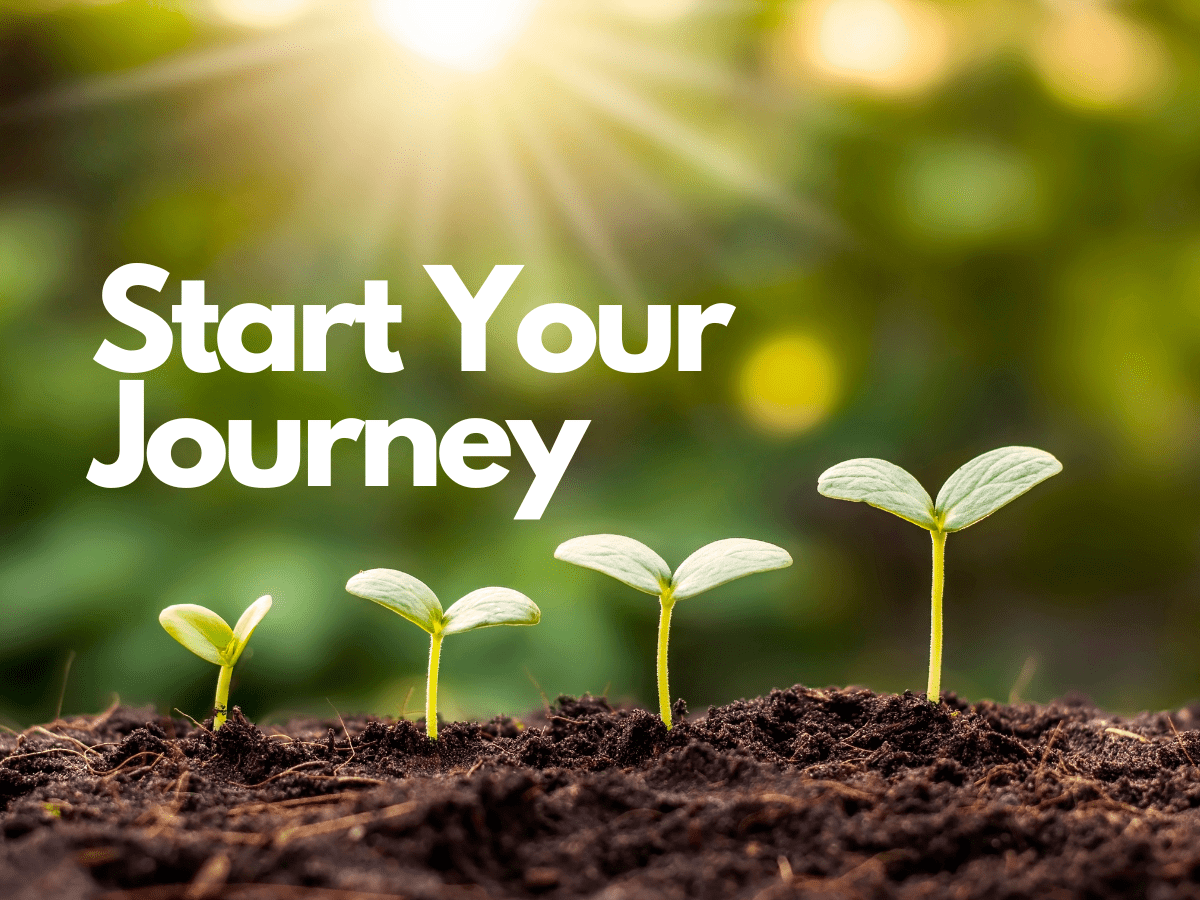
A Beginner’s Guide for Las Vegas Gardeners
Starting a garden in Las Vegas might seem intimidating at first. With scorching summers, dry winds, alkaline soils, and unpredictable rainfall, many new gardeners assume growing food here is impossible. The truth is the opposite. With the right strategies, desert gardening in USDA Zone 9b can be incredibly productive and rewarding.
This guide will show you how to start a garden in Las Vegas’s desert climate while sharing principles that gardeners anywhere can adapt to their own region.
Gardening in the desert means working with nature instead of against it. In Zone 9b areas like Las Vegas, gardeners face several unique conditions:
Extreme heat
Summer temperatures often exceed 105°F, which can quickly stress plants.
Low humidity
Water evaporates rapidly, so soil moisture disappears faster than in cooler climates.
Poor native soil
Many desert soils contain high clay, salt, or caliche that restricts plant roots.
Intense sunlight
While plants love sun, too much can burn leaves and halt growth.
The good news is that desert gardeners actually get two strong growing seasons: spring and fall. With planning and the right setup, you can harvest vegetables nearly year-round.
Location determines whether your garden thrives or struggles.
Look for a space that receives 6–8 hours of sunlight daily, preferably morning sun and afternoon shade. In Las Vegas, intense afternoon heat can scorch delicate plants.
Good locations include:
. Along a wall that provides afternoon shade
. Near a patio where shade structures can be installed
. In raised beds that allow soil control
. Areas close to a water source for irrigation
If your yard gets full sun all day, consider installing shade cloth (30–50%) during peak summer months.
Step 2: Improve Your Soil
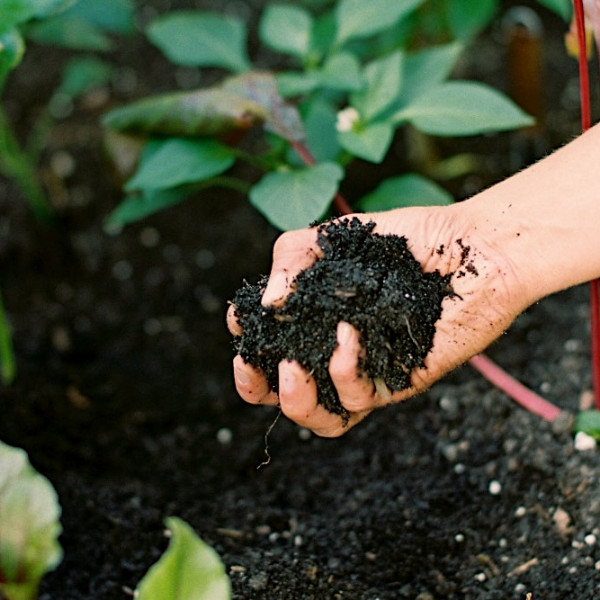
Healthy soil is the foundation of any successful garden.
Native desert soil often lacks organic matter and drains poorly. Instead of fighting it, many Las Vegas gardeners build raised beds filled with custom soil mixes.
A simple soil mix for desert gardens:
. 40% compost
. 40% garden soil or raised bed mix
. 20% aeration material such as pumice or perlite
Compost improves soil fertility, water retention, and microbial life, which helps plants withstand heat stress.
Step 3: Start With Easy Crops


New gardeners should begin with crops that grow quickly and tolerate desert conditions.
Great beginner crops for Las Vegas include:
. Radishes
. Lettuce
. Kale
. Green onions
. Swiss chard
. Basil
. Cilantro
These plants grow quickly and give new gardeners fast success, which builds confidence.
Many root crops and leafy greens thrive during the cooler fall and winter months, when desert temperatures become ideal for growth.
Step 4: Water Efficiently


In the desert, watering the right way matters more than watering often.
Instead of sprinklers, use drip irrigation or soaker hoses. These systems deliver water directly to the roots, reducing evaporation.
Helpful watering tips:
. Water deeply but less frequently
. Water early in the morning
. Add mulch to keep soil cool
. Avoid watering leaves during extreme heat
Mulch alone can reduce water evaporation by up to 50 percent.
Step 5: Protect Plants From Heat


Heat protection is essential for desert gardeners.
Plants stop producing once temperatures climb too high. Shade cloth, mulch, and strategic planting help keep plants productive.
Some helpful strategies include:
. Install shade cloth during extreme heat
. Plant taller crops to shade smaller plants
. Use mulch such as straw or wood chips
. Grow heat-tolerant varieties during summer
Many experienced Las Vegas gardeners pause planting during the peak of summer and restart again in early fall.
When to Plant in Las Vegas (Zone 9b)
Timing is everything in the desert.
Typical planting seasons include:
Late winter / early spring
Peas, lettuce, carrots, radishes
Spring
Tomatoes, peppers, cucumbers
Fall
Leafy greens, herbs, root vegetables
Winter
Cold-tolerant crops such as kale and broccoli
Unlike colder climates, winter in Las Vegas can be one of the best growing seasons.
Desert Gardening Is About Adaptation
Successful desert gardening comes down to understanding your environment. Instead of trying to recreate a traditional garden from wetter climates, adapt your strategy to the desert.
Focus on:
. Soil improvement
. Efficient irrigation
. Heat protection
. Seasonal planting
Once you learn these fundamentals, you will discover that growing food in the desert is not only possible but surprisingly productive. You can find me on all the socials @vegasgardener.
Leave a Reply
You must be logged in to post a comment.